
Volcanic beauty in perfect harmony
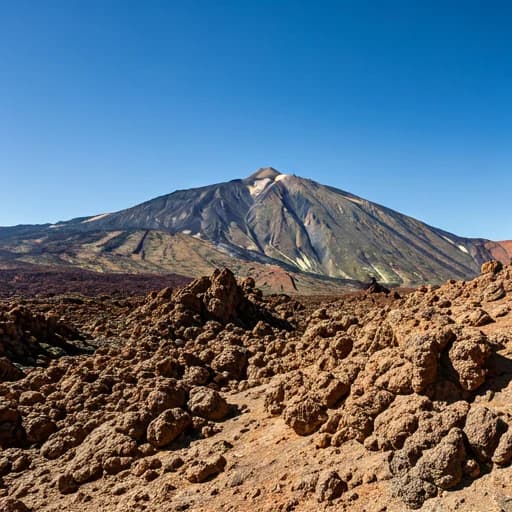
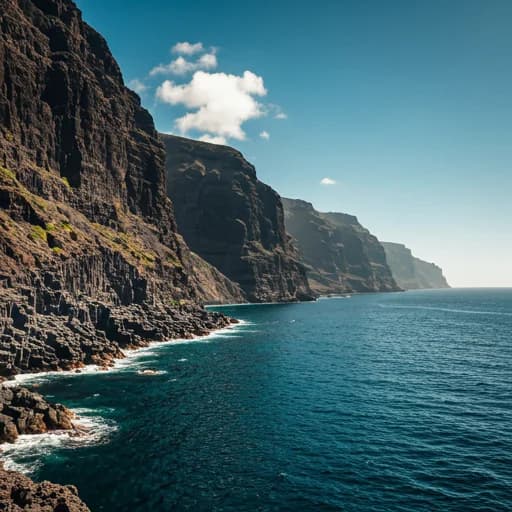
The lava has sculpted a unique beauty where volcanic black merges with the white of its villages.
Geography
Lanzarote, the island of volcanoes, is the easternmost and third most populous. Its volcanic landscapes have made it a UNESCO Biosphere Reserve.
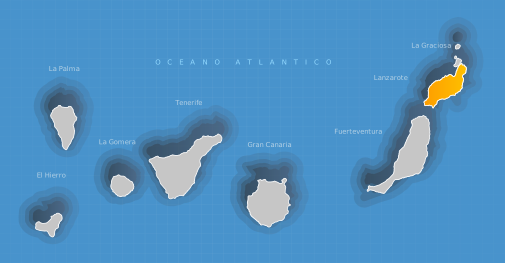
Explore the island
7 municipalities
Hover over the map to discover Lanzarote's municipalities. Click to see what to do in each one.
Contrasting Coasts
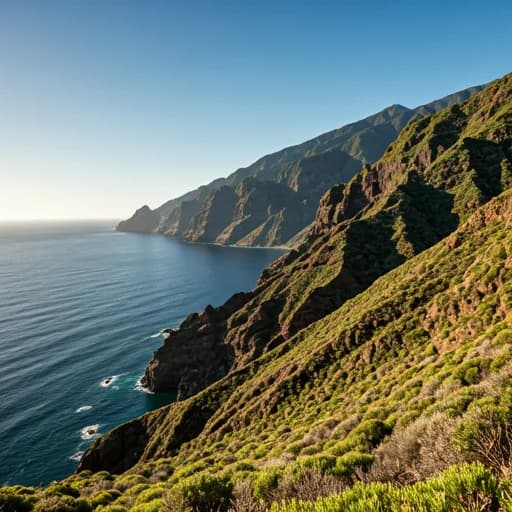
From the wild black sands of the north to the golden calm waters of the south. The Atlantic in all its facets.
Living History
The historical and cultural legacy of Lanzarote is manifested in every corner of the island.
Unique Flavors
The gastronomy of Lanzarote is very marked by the volcanic landscape and life by the sea. Its dishes are usually simple, but with high-quality products, such as fresh fish, limpets, octopus and potatoes. Canarian sancocho and fish broth are very traditional recipes on the island.
The dry climate and volcanic soil greatly influence its cuisine. Although agriculture is limited, Lanzarote makes very good use of what its environment offers, especially seafood and some crops adapted to the island, such as vines. In fact, its wines are well known for growing in volcanic ash soils.
The cuisine of Lanzarote retains a very local and authentic character. Many of its recipes were born out of necessity and adaptation to the environment, which is why they are as simple as they are tasty. Today, this tradition continues to be one of the great cultural attractions of Lanzarote.
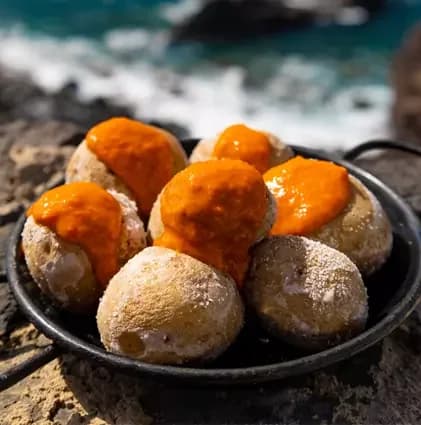

Volcanic Flavor
Most popular
Lanzarote is not just to be admired, it is to be lived. The activities the island offers are as diverse as its landscapes. From soaring the skies on a paraglider to descending into the ocean depths.
Discover the 14 must-see places in Lanzarote: from Timanfaya to El Cuervo Volcano, stunning beaches, and César Manrique's iconic legacy.
Discover the most breathtaking viewpoints in Lanzarote. From Mirador del Río to hidden volcanic lookouts, find the best panoramic spots on this Canary Island.
Discover the 15 best beaches in Lanzarote, from golden Papagayo coves to dramatic black sand shores. Your complete guide to paradise.


